






 سوالات متداول
  راهنمای خرید و دانلود
  سفارش کتاب
  بلاگ
بلاگ 




 ناشر
ناشر ویرایش
 زبان
زبان
 تعداد صفحات
 شابک
شابک  حجم فایل
 هديـه خریـد: پس از خرید این کتاب،
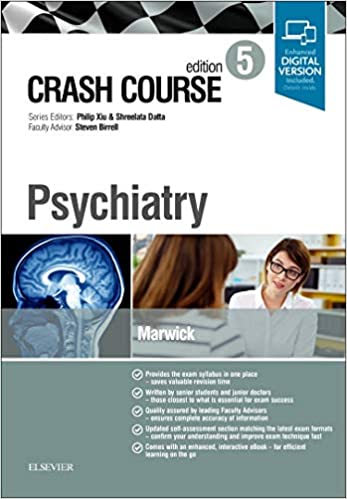
 دانلود کتاب Crash Course Psychiatry 5th Edition:
معرفی کتاب کرش کورس روانشناسی ویرایش پنجم – 2019:
کتاب کرش کورس روانشناسی ویرایش پنجم – 2019، همراه موثر مطالعه روزانه شما به علاوه پادزهر عالی برای استرس امتحان! در زمان صرفه جویی کنید و مطمئن باشید که اطلاعات ضروری مورد نیاز خود را در یکجا برای کسب موفقیت در امتحان دارید.
یک فرمول برنده در حال حاضر برای بیش از 20 سال، هر جلد مجموعه بهخوبی تنظیم و بهطور کامل بهروزرسانی شده است – با طرحبندی تمام رنگی بهبود یافته که زندگی شما را آسانتر میکند. به خصوص توسط دانشجویان ارشد یا پزشکان جوان نوشته شده است – کسانی که درک می کنند چه چیزی برای موفقیت در امتحان ضروری است – با تمام اطلاعاتی که به طور کامل بررسی شده و کیفیت آن توسط مشاوران متخصص دانشکده تضمین شده است، نتیجه کتاب هایی است که دقیقاً نیازهای شما را برآورده می کند و می دانید که می توانید به آن اعتماد کنید.
هر فصل شما را به طور خلاصه از طریق طیف کامل موضوعات برنامه درسی راهنمایی می کند، ملاحظات بالینی را با علوم پایه مربوطه ادغام می کند و از جزئیات غیر ضروری یا گیج کننده اجتناب می کند. طیف وسیعی از کادرهای متنی به شما کمک می کند تا سریع به نکات، نکات و نکات کلیدی مورد نیاز خود برسید! یک بخش خود ارزیابی کاملاً تجدید نظر شده که با آخرین فرمتهای امتحانی مطابقت دارد برای بررسی درک شما و کمک به آمادگی برای امتحان گنجانده شده است. کتاب الکترونیکی پیشرفته و قابل دانلود همراه این بسته آموزشی ارزشمند را تکمیل می کند. مجموعههای کتاب برای پاسخگویی به نیازهای دانشجویان پزشکی امروزی ساخته شدهاند، اگرچه طیف دیگری از دانشجویان و متخصصان بهداشت که به دسترسی سریع به ملزومات روانپزشکی نیاز دارند، رویکرد منحصر به فرد دوره Crash را نیز دوست خواهند داشت. این که آیا شما نیاز به خروج از یک تعمیر دارید یا برای یک دوره متمایز Crash Course برای شما مناسب است! شابک تکمیلی (ISBN): 978-0702073519, 9780702073519, 0702073512
 کتاب الکترونیکی (PDF) و به زبان انگلیسی است.
فهرست مطالب کتاب Crash Course Psychiatry 5th Edition – (کتاب کرش کورس روانشناسی ویرایش پنجم – 2019):
Case 1 – First-episode psychosis in a young person
Case 2 – Weight loss in an adolescent
Case 3 – Inattention in a child
Case 4 – Memory problems in an older adult
Case 5 – Medically unexplained symptoms in an adult
Assessments
OSCEs
Assessments – Interactive
Section 1: General
1: Psychiatric assessment and diagnosis
Interview technique
Psychiatric history
Mental state examination
Risk assessment
Physical examination
The formulation: presenting the case
Classification in psychiatry
2: Pharmacological therapy and electroconvulsive therapy
Antidepressants
Mood stabilizers
Antipsychotics
Anxiolytic and hypnotic drugs
Other drugs used in psychiatry
Electroconvulsive therapy
3: Psychological therapy
Psychotherapeutic approaches
Indications for psychological therapy
4: Mental health and the law
Mental Health Act 1983 as amended by the Mental Health Act 2007
Mental Health (Care & Treatment) (Scotland) Act 2003
Mental Health (Northern Ireland) Order 1986
Capacity to consent to treatment
Common law
Human rights legislation
Fitness to drive
5: Mental health service provision
History
Primary care
Secondary Care
Section 2: Presenting Complaints
6: The patient with thoughts of suicide or self-harm
Definitions and clinical features
Assessment of patients who have inflicted harm upon themselves
Patient management following self-harm or attempted suicide
Discussion of case study
7: The patient with impairment of consciousness, memory or cognition
Definitions and clinical features
Common cognitive disorders
Differential diagnosis
Assessment
Discussion of case study
8: The patient with alcohol or substance use problems
Definitions and clinical features
Alcohol-related disorders
Alcohol-related cognitive disorders
Other substance-related disorders
Differential diagnosis
Assessment
Discussion of case study
9: The patient with psychotic symptoms
Definitions and clinical features
Differential diagnosis
Algorithm for the diagnosis of psychotic disorders
Assessment
Discussion of case study
10: The patient with elated or irritable mood
Definitions and clinical features
Differential diagnosis
Assessment
Algorithm for the diagnosis of mood disorders
Discussion of case study
11: The patient with low mood
Definitions and clinical features
Differential diagnosis
Assessment
Discussion of case study
12: The patient with anxiety, fear or avoidance
Definitions and clinical features
Differential diagnosis
Assessment
Discussion of case study
13: The patient with obsessions and compulsions
Definitions and clinical features
Differential diagnosis
Discussion of case study
14: The patient with a reaction to a stressful event
Definitions and clinical features
Bereavement
Differential diagnosis
Discussion of case study
15: The patient with medically unexplained physical symptoms
Definitions and clinical features
Differential diagnosis
Assessment
Discussion of case study
16: The patient with eating or weight problems
Definitions and clinical features
Assessment
Differential diagnosis of patients with low weight
Discussion of case study
17: The patient with personality problems
Definitions and clinical features
Classification
Assessment
Differential diagnosis
Discussion of case study
18: The patient with neurodevelopmental problems
Definitions
Clinical features and differential diagnosis
Assessment
Discussion of case study
Section 3: Cause and management
19: Dementia and delirium
Dementia
Delirium
20: Alcohol and substance-related disorders
Alcohol disorders
Other psychoactive substances
21: The psychotic disorders: schizophrenia
Schizophrenia
22: The mood (affective) disorders
Depressive disorders
Bipolar affective disorder
Dysthymia and cyclothymia
23: The anxiety and somatoform disorders
Anxiety disorders
Dissociative and somatoform disorders
24: Eating disorders
Anorexia and bulimia nervosa
25: The sleep–wake disorders
Definitions and classification
26: The psychosexual disorders
Sexual dysfunction
Disorders of sexual preference (paraphilias)
Gender identity
27: Disorders relating to the menstrual cycle, pregnancy and the puerperium
Premenstrual syndrome
Menopause
Psychiatric considerations in pregnancy
Puerperal disorders
28: The personality disorders
The personality disorders
29: The neurodevelopmental disorders
Intellectual disability
Autism spectrum disorders
Attention deficit hyperactivity disorders
Tourette syndrome
30: Child and adolescent psychiatry
Child and Adolescent Mental Health Services
Attachment
Epidemiology
Mental illness in children and adolescents
Child abuse
Assessment considerations in young people
31: Older adult psychiatry
Mental illness in older adults
Assessment considerations in older adults
Treatment considerations in older adults
32: Forensic psychiatry
Mental disorder and crime
Assessing and managing risk of violence
Considerations in court proceedings
Single best answer (SBA) questions
Chapter 2 Pharmacological therapy and electroconvulsive therapy
Chapter 3 Psychological therapy
Chapter 4 Mental health and the law
Chapter 5 Mental health service provision
Chapter 6 The patient with thoughts of suicide or self-harm
Chapter 7 The patient with impairment of consciousness, memory or cognition
Chapter 8 The patient with alcohol or substance use problems
Chapter 9 The patient with psychotic symptoms
Chapter 10 The patient with elated or irritable mood
Chapter 11 The patient with low mood
Chapter 12 The patient with anxiety, fear or avoidance
Chapter 13 The patient with obsessions and compulsions
Chapter 14 The patient with a reaction to a stressful event
Chapter 15 The patient with medically unexplained physical symptoms
Chapter 16 The patient with eating or weight problems
Chapter 17 The patient with personality problems
Chapter 18 The patient with neurodevelopmental problems
Chapter 19 Dementia and delirium
Chapter 20 Alcohol and substance-related disorders
Chapter 21 The psychotic disorders: schizophrenia
Chapter 22 The mood (affective) disorders
Chapter 23 The anxiety and somatoform disorders
Chapter 24 Eating disorders
Chapter 25 The sleep–wake disorders
Chapter 26 The psychosexual disorders
Chapter 27 Disorders relating to the menstrual cycle, pregnancy and the puerperium
Chapter 28 The personality disorders
Chapter 29 The neurodevelopmental disorders
Chapter 30 Child and adolescent psychiatry
Chapter 31 Older adult psychiatry
Chapter 32 Forensic psychiatry
Extended-matching questions (EMQs)
Chapter 2 Pharmacological therapy and electroconvulsive therapy
Chapter 3 Psychological therapy
Chapter 4 Mental health and the law
Chapter 5 Mental health service provision
Chapter 6 The patient with thoughts of suicide or self-harm
Chapter 7 The patient with impairment of consciousness, memory or cognition
Chapter 8 The patient with alcohol or substance use problems
Chapter 9 The patient with psychotic symptoms
Chapter 10 The patient with elated or irritable mood
Chapter 11 The patient with low mood
Chapter 12 The patient with anxiety, fear or avoidance
Chapter 13 The patient with obsessions and compulsions
Chapter 14 The patient with a reaction to a stressful event
Chapter 15 The patient with medically unexplained physical symptoms
Chapter 16 The patient with eating or weight problems
Chapter 17 The patient with personality problems
Chapter 18 The patient with neurodevelopmental problems
Chapter 19 Dementia and delirium
Chapter 20 Alcohol and substance-related disorders
Chapter 21 The psychotic disorders: schizophrenia
Presentation of antipsychotic side-effects
Chapter 22 The mood (affective) disorders
Chapter 23 The anxiety and somatoform disorders
Chapter 24 Eating disorders
Chapter 25 Sleep–wake disorders
Chapter 26 The psychosexual disorders
Chapter 27 Disorders relating to the menstrual cycle, pregnancy and the puerperium
Chapter 28 The personality disorders
Chapter 29 The neurodevelopmental disorders
Chapter 30 Child and adolescent psychiatry
Chapter 31 Older adult psychiatry
Chapter 32 Forensic psychiatry
SBA answers
Chapter 2 Pharmacological therapy and electroconvulsive therapy
Chapter 3 Psychological therapy
Chapter 4 Mental health and the law
Chapter 5 Mental health service provision
Chapter 6 The patient with thoughts of suicide or self-harm
Chapter 7 The patient with impairment of consciousness, memory or cognition
Chapter 8 The patient with alcohol or substance use problems
Chapter 9 The patient with psychotic symptoms
Chapter 10 The patient with elated or irritable mood
Chapter 11 The patient with low mood
Chapter 12 The patient with anxiety, fear or avoidance
Chapter 13 The patient with obsessions and compulsions
Chapter 14 The patient with a reaction to a stressful event
Chapter 15 The patient with medically unexplained physical symptoms
Chapter 16 The patient with eating or weight problems
Chapter 17 The patient with personality problems
Chapter 18 The patient with neurodevelopmental problems
Chapter 19 Dementia and delirium
Chapter 20 Alcohol and substance-related disorders
Chapter 21 The psychotic disorders: schizophrenia
Chapter 22 The mood (affective) disorders
Chapter 23 The anxiety and somatoform disorders
Chapter 24 Eating disorders
Chapter 25 The sleep–wake disorders
Chapter 26 The psychosexual disorders
Chapter 27 Disorders relating to the menstrual cycle, pregnancy and the puerperium
Chapter 28 The personality disorders
Chapter 29 The neurodevelopmental disorders
Chapter 30 Child and adolescent psychiatry
Chapter 31 Older adult psychiatry
Chapter 32 Forensic psychiatry
EMQ answers
Chapter 2 Pharmacological therapy and electroconvulsive therapy
Chapter 3 Psychological therapy
Chapter 4 Mental health and the law
Chapter 5 Mental health service provision
Chapter 6 The patient with thoughts of suicide or self-harm
Chapter 7 The patient with impairment of consciousness, memory or cognition
Chapter 8 The patient with alcohol or substance use problems
Chapter 9 The patient with psychotic symptoms
Chapter 10 The patient with elated or irritable mood
Chapter 11 The patient with low mood
Chapter 12 The patient with anxiety, fear or avoidance
Chapter 13 The patient with obsessions and compulsions
Chapter 14 The patient with a reaction to a stressful event
Chapter 15 The patient with medically unexplained physical symptoms
Chapter 16 The patient with eating or weight problems
Chapter 17 The patient with personality problems
Chapter 18 The patient with neurodevelopmental problems
Chapter 19 Dementia and delirium
Chapter 20 Alcohol and substance-related disorders
Chapter 21 The psychotic disorders: schizophrenia
Chapter 22 The mood (affective) disorders
Chapter 23 The anxiety and somatoform disorders
Chapter 24 Eating disorders
Chapter 25 The sleep–wake disorders
Chapter 26 The psychosexual disorders
Chapter 27 Disorders relating to the menstrual cycle, pregnancy and the puerperium
Chapter 28 The personality disorders
Chapter 29 The neurodevelopmental disorders
Chapter 30 Child and adolescent psychiatry
Chapter 31 Older adult psychiatry
Chapter 32 Forensic psychiatry
Glossary
Index




 دندانپزشکی
 %10 تخفیف اولین خرید، با کد: new24

نقد و بررسیها
هنوز بررسیای ثبت نشده است.